Hi! I actually bought the products I talk about in this post. If you want to try them, please use the link on this page to check them out. I’ll make a little money if you do. That would be awesome! You could even drop me a line via Twitter @decentmadam to let me know it was you! And then we can talk about whether you love them!
Over the summer, I made an enormous pile of compost out of eucalyptus waste and dog shit. I’ve talked a lot about why that might be a bad idea, TLDR: eucalyptus and dog poo can kill (plants or people, respectively) and why ima use it anyway. But I’d love to learn a little more about my murder compost before I start using it… like, just how murder-y is it?
There are a ton of soil tests you can do at home. You can test pH, macronutrients like nitrogen, phosphorus, and potassium, and you can also test your soil’s suitability to germinate seeds. All of these tests work on compost. Today, I’m focusing on a little home chemistry and a little preschool-level seed starting project.
Did you ever have a chemistry kit when you were a kid? I didn’t get one, but my brother did. It was all about doing things and then things changing colors. The Rapitest Soil Test Kit is just like that, but with no weird uncle telling you not to blow the house up (apparently that was a thing in the fifties.)
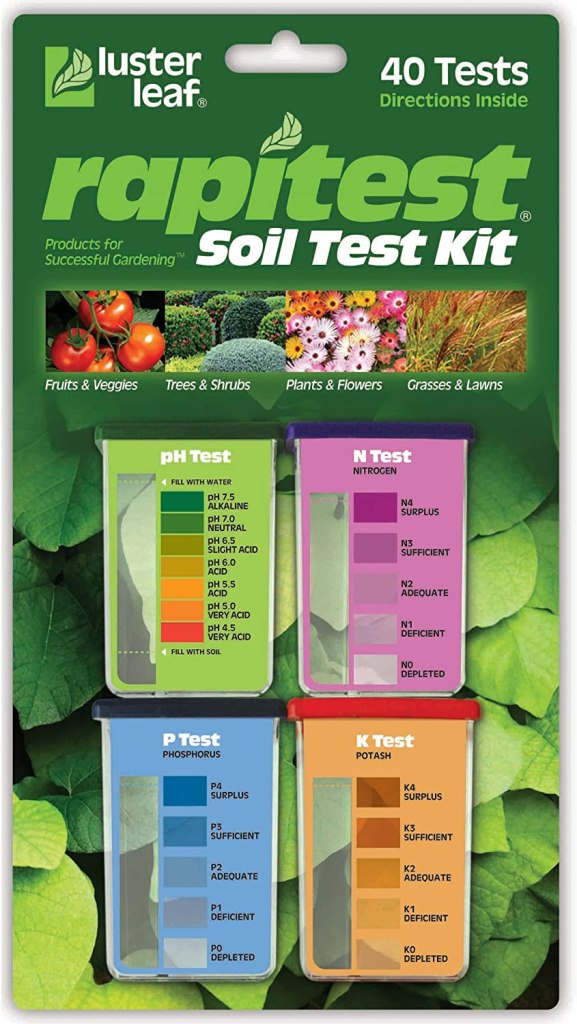
10 tests each per kit, means I can follow my soil health throughout the season. Bring on the veggies!
Rapitest Murder Compost pH: neutral
The Rapitest pH test is almost instant. You add soil and water, wait ten minutes, and get your result. Soil pH is important to know because most plants want to grow in a slightly acid or sometimes highly acid environment. My soil is neutral pH, so to improve it, I need to acidify it. A little research on this turned up that my local clay soil here in the Livermore valley tends to be on the alkaline side. I was curious about whether the Rapitest would show that, and it did – neutral to slightly alkaline.
There are a few ways to increase your soil acidity and I went with the one we had on hand: iron sulfide granules left over from when we installed sod many years ago. These slowly increase acidity over 2-3 months as they get broken down by microorganisms.
Potassium and Phosphorus: Adequate
The potassium, phosphorus, and nitrite tests take a little preparation. I have to mix some soil with water the day before and wait for the cloudiness in the water to settle. Plants need a ton of different nutrients to thrive, but most of them are used in tiny quantities. The three macronutrients are potassium, phosphorus, and nitrate. These are also the main ingredients you’ll find in complete fertilizers you buy off the shelf.
The word Rapitest uses for high levels of nutrients is “surplus.” Surplus potassium or phosphorus could be okay for compost that you’re mixing into your soil (if your soil is deficient), but I’m planting directly into my compost. High levels plant nutrients in your soil are a bad thing because they can prevent your plant from getting other needed nutrients and stunt the plants’ growth. So yeah, this is an instance where “adequate” is freaking great!
Nitrogen: Depleted
This didn’t come exactly as a surprise. I mentioned that my nitrogen source was dog poop, and although I had a lot, I guess I didn’t have that much in relation to the amount of eucalyptus in my pile. It’s not that dog poo isn’t high in nitrogen, it’s that your compost pile uses nitrogen up as the composting microbes decompose the organic materials in your pile. My pile was steaming hot for months, and then eventually cooled down. Given the depleted nitrogen test, I can guess that what finally cooled my pile is that my composting microbes starved. Poor little mites.
Not to worry, I’m using some of the left over murder compost as my browns in my compost tumbler. These little microbes will live again!
There are a couple of routs you can go to increase soil nitrogen. You can add nitrogen rich materials to your soil, like nitrogen rich compost, composted manure, or fertilizer, or you can use nitrifying plants like peas, alfalfa, lupines, or clover, and let them do the work for you.
It turns out there’s a ton of nitrogen in the air – the atmosphere is mostly made of nitrogen – but plants can’t grab the nitrogen out of the air, they need to get it from the soil. Nitrifying plants have a symbiotic relationship with bacteria that can use the nitrogen in the air and convert it to soil nitrogen for plants to use.
Many people use the winter season to add nitrogen to their soil by planting a cover crop of alfalfa or clover and then tilling it into the soil while it’s still green (more nitrogen). I got this game a little late to plant a cover crop, but I’m just in time to plant plenty of peas. Another soil test later in the season will tell us how much this helped. In the meantime, I’m re-composting the murder compost with a whole lot of kitchen scraps so I’ll hopefully have some nourishing compost when corn and tomato season come around.
Seed Germination: Outstanding
The most important thing I need to know about the murder compost is, will it murder plants? If I plant seeds in the compost, will the compost kill them off? I just came off doing a little seed starting project with my daughter in which we sprouted chia seeds indoors. It only took three days before we saw them germinate on the surface of our potting mix. This is seemed like a perfect way to test the murder compost.
Take a look at the pictures below to see how it went.


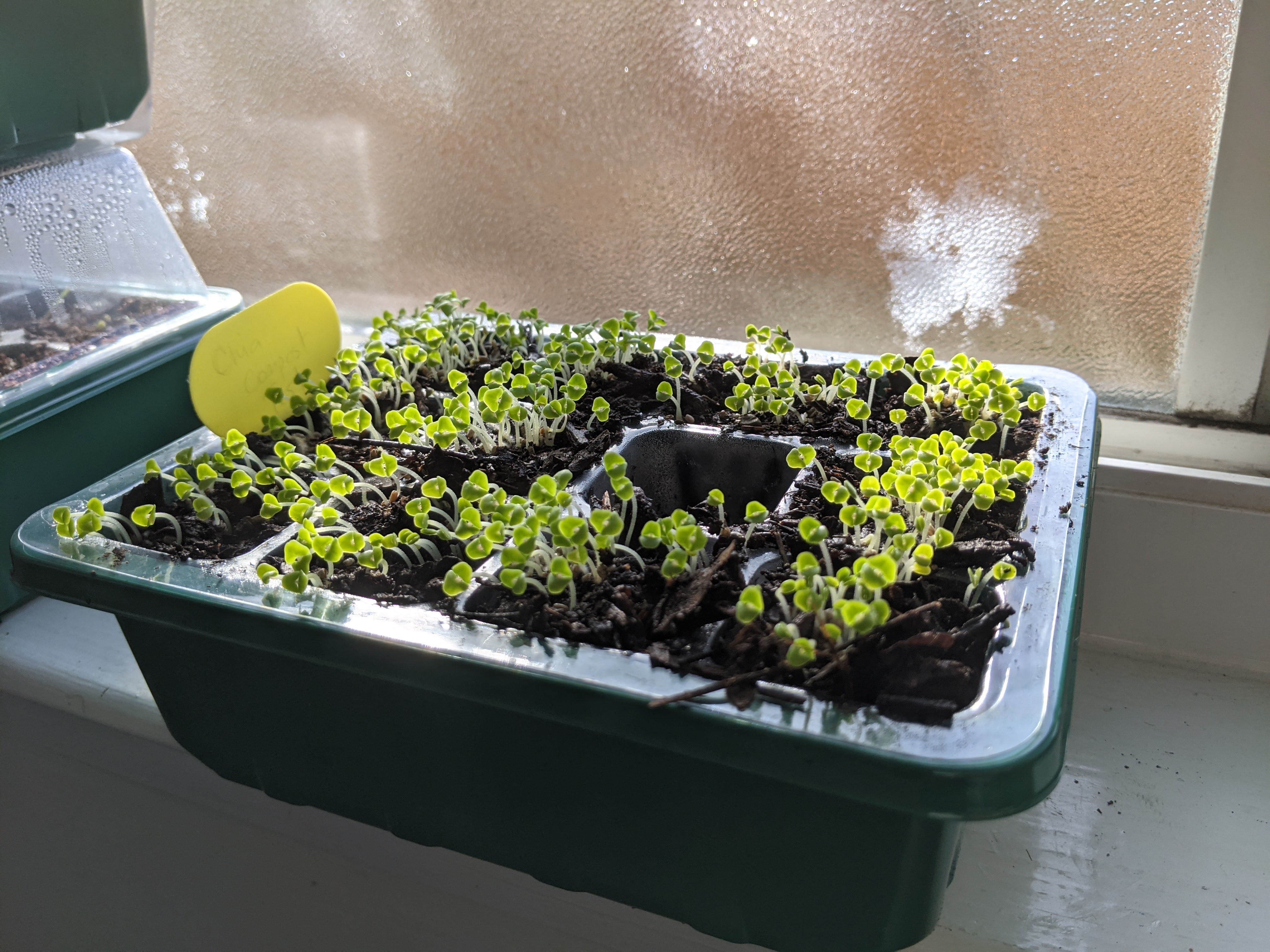

In three days we had seed germination and the seeds have continued to grow densely and evenly since then.
I chose my seed starting trays for a few reasons, cost being a factor, but also because I wanted to be able to see if my plants were ready to transplant without trying to pull them out of their tray.
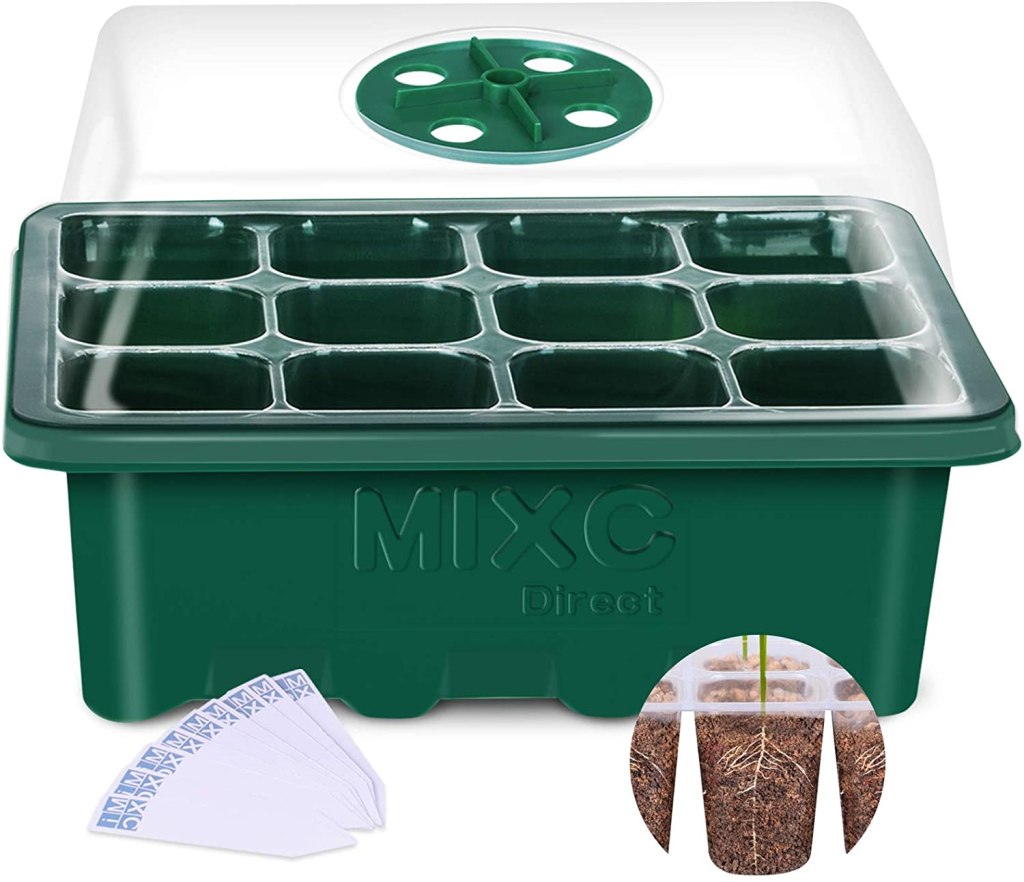
10 Clear, reusable, stackable, and affordable seed trays? Yes, please!
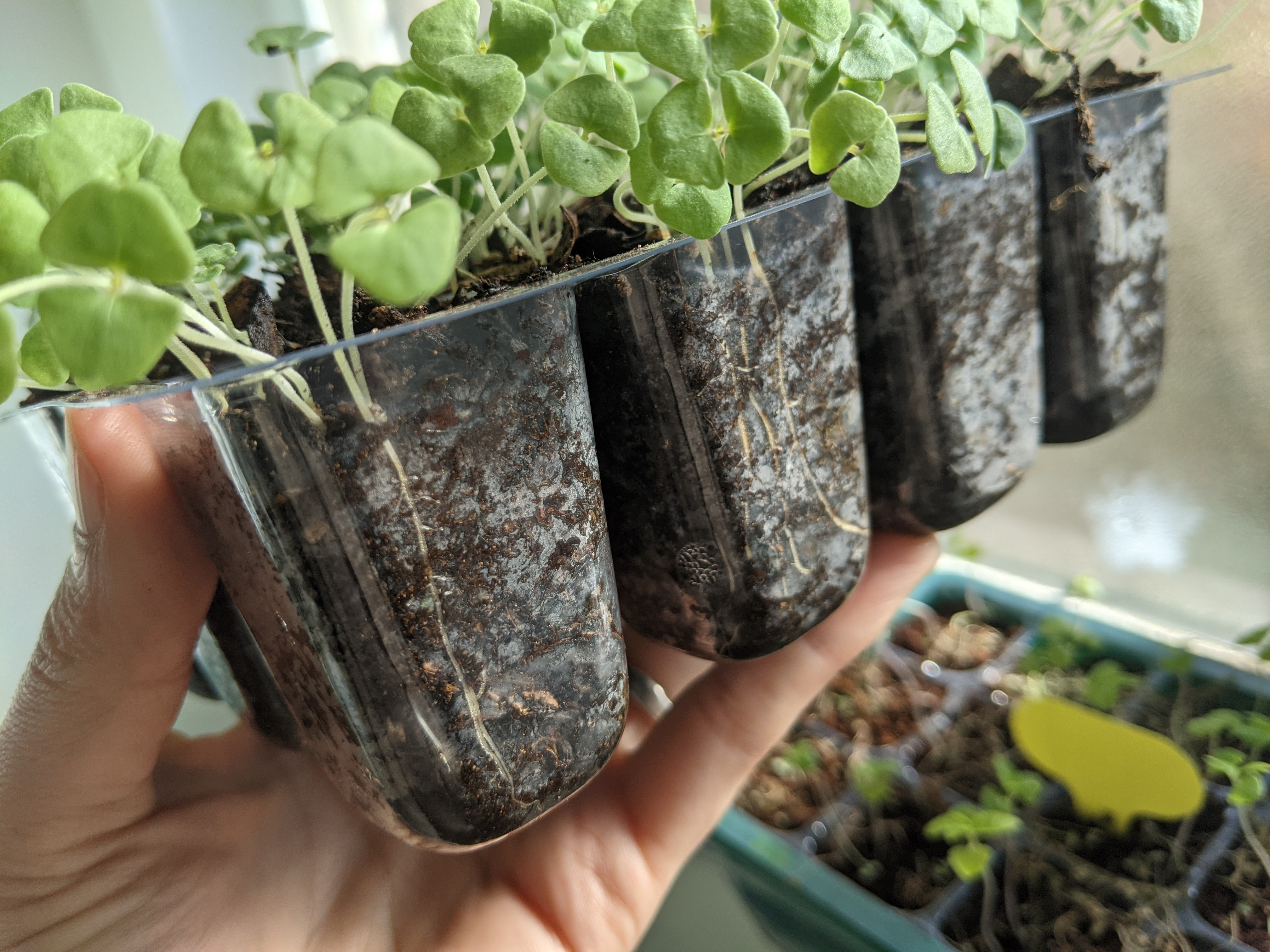
These seed trays are clear, so I can easily see that not only are the leaves and stems well formed, but the roots are looking good too. The translucent trays also show me that moisture wicks evenly throughout my compost, and that’ll hopefully be good for my clay soil outside. If the compost keeps the clay soil moist, my veggies will have an easier time rooting into it.
 Outdoor Hedonist
4 Comments Add yours