Hi! I actually bought the products I talk about in this post. If you want to try them, please use the link on this page to check them out. I’ll make a little money if you do. That would be awesome! You could even drop me a line via Twitter @decentmadam to let me know it was you! And then we can talk about whether you love them!
I’m reading a few gardening books concurrently right now, and in one of them I came across a list of fertilizers that includes “seed meal.” It was either Golden Gate Gardening or my first edition of Square Foot Gardening.
OMG. The All New Square Foot Gardening is good, but the first edition is like the bible (Big! Long! Authoritative!) of square foot gardening. It’s discontinued now,so I ordered it used, and I’m so not sorry. Totally recommend it. Anyhoo… back to seed meal.
I probably wouldn’t have even noticed seed meal on the list, except that I ordered a five pound bag of winter wheat to use as a cover crop, can’t plant it all, and don’t want to keep it around.
There’s hardly anything online about making seed meal fertilizer at home. I found some regulations about using spoiled grains as fertilizer. There are spent grains like beer barley, that lots of people add to compost. I saw the expression “a powerful compost green” tossed around, which means that it should be high in nitrogen. And I found a great post about using weed seeds as fertilizer. But not much advice about… say… tossing a few handfuls of wheat berries into the nutribullet and mixing it in with my soil.
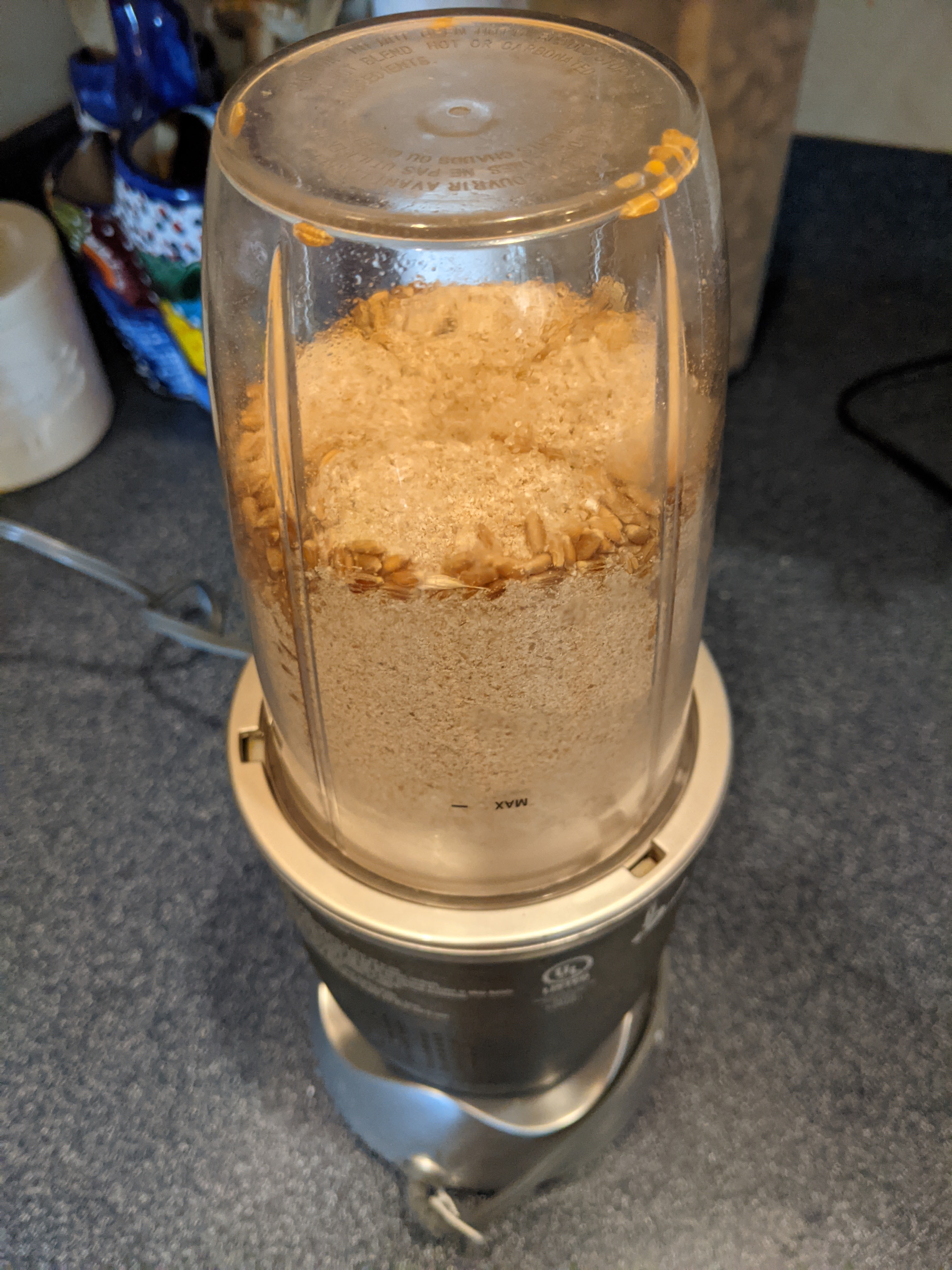
Here’s why I really want to do this
My soil test last week turned up that my not so murder-y compost is deficient in nitrogen. I’m going to have to add nitrogen to my bed, and probably quite a lot of it, because I think the reason my nitrogen is depleted is because my compost ate it all before it finished cooking down all those carbon rich browns. My concern is that as I get a little nitrogen in the soil, the compost microbes will roar back to life and eat it all.
Even if that doesn’t happen, my plants are going to need nutrients and I’m not super excited about adding the chemical fertilizers we have around the house, because… well… I don’t feel like measuring them. Sue me. I think what’ll happen if I grind the wheat berries and toss them on the soil is that they’ll break down gradually and therefore add nutrients to the soil gradually, like micro-compost.
Why not just use compost? So glad you asked. My kitchen compost isn’t ready yet. I’m working on adding nitrogen to my murder compost by using it as my browns with all the kitchen scraps I can scavenge for greens. But despite adding more compost starter, its just too cold outside to support the kind of microbial activity that’s going to give me lovely cooked compost in time to plant.
Grinding up the seeds and throwing them on top of the soil might turn out to be like a short cut until I’m producing plenty of kitchen compost. Who knows? Seeds are packed full of all the stuff that a baby plant needs to get started in life, so why not grind them up and make those nutrients available to other plants? Finally, I can’t see how it would do any kind of harm at all (famous last words, I know).
The great news is, we can test this!
I’m thinking I’ll add wheat seed meal to about half the bed, split evenly in terms of available sunlight and what I’m growing in it.
I’m also running home pH and NPK tests on my wheat seed meal using my handy dandy soil testing kit. Okay so these tests aren’t designed for testing fertilizer, but ima go with it.
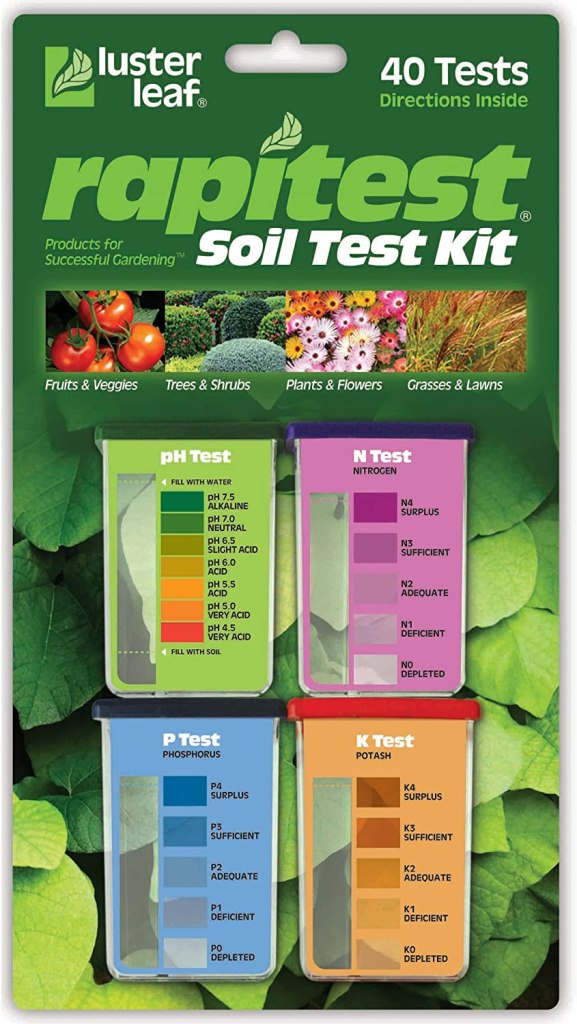
10 tests each per kit, means I can follow my soil health throughout the season. Bring on the veggies!
Here’s what I’ve got:
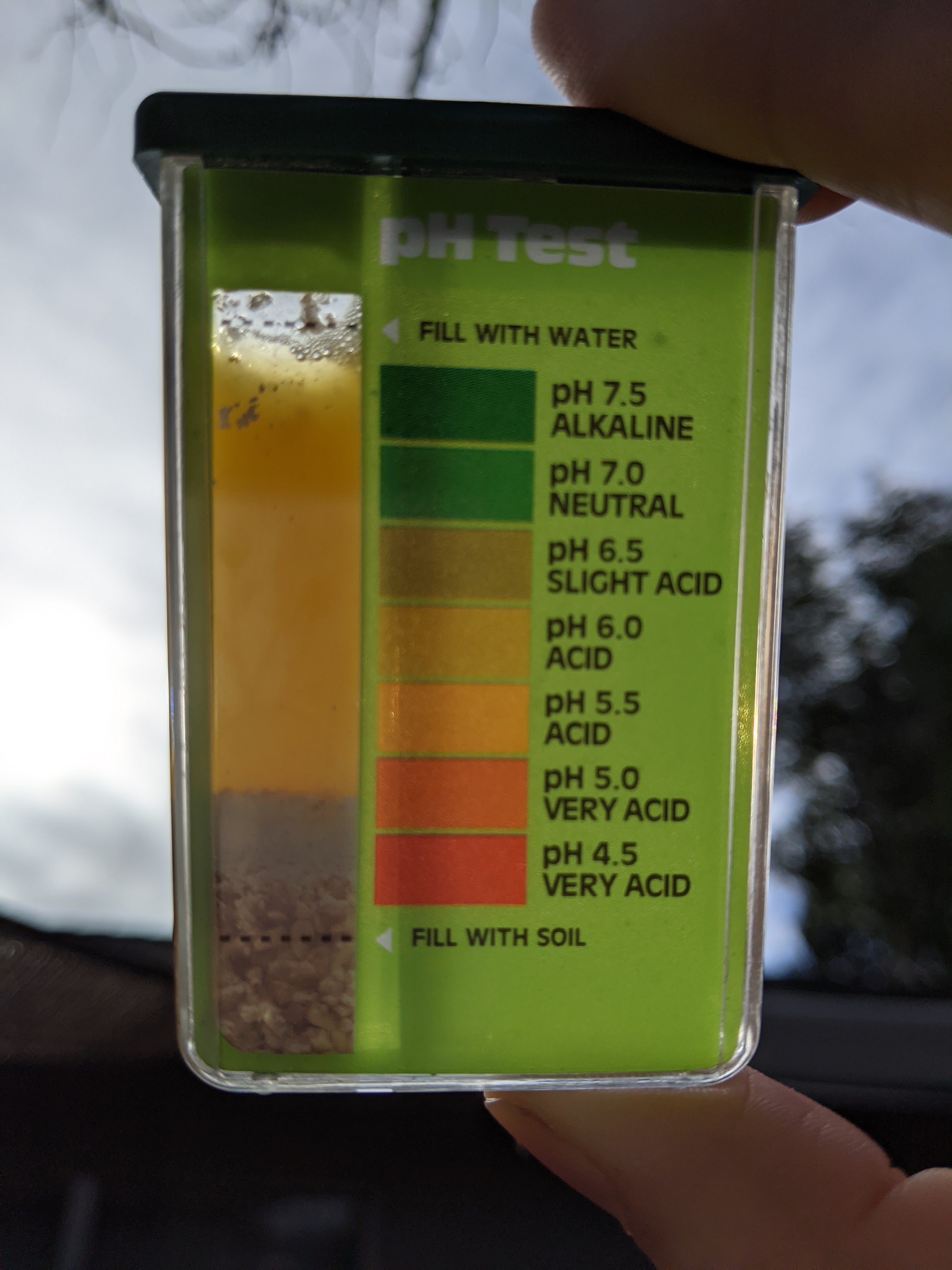
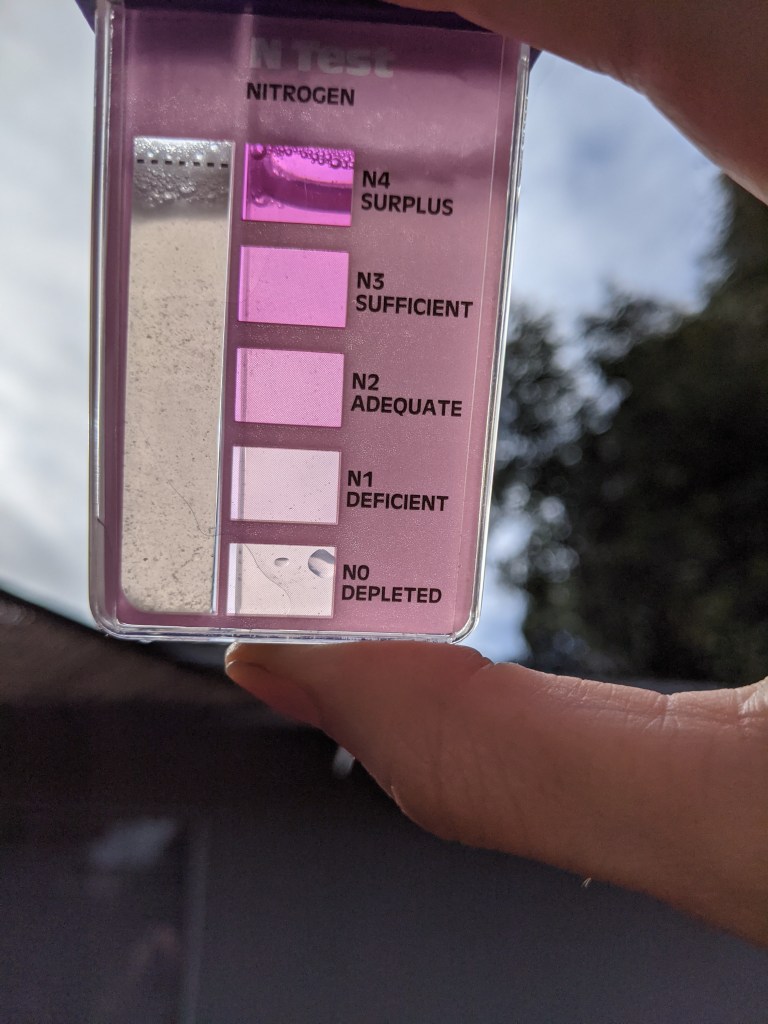
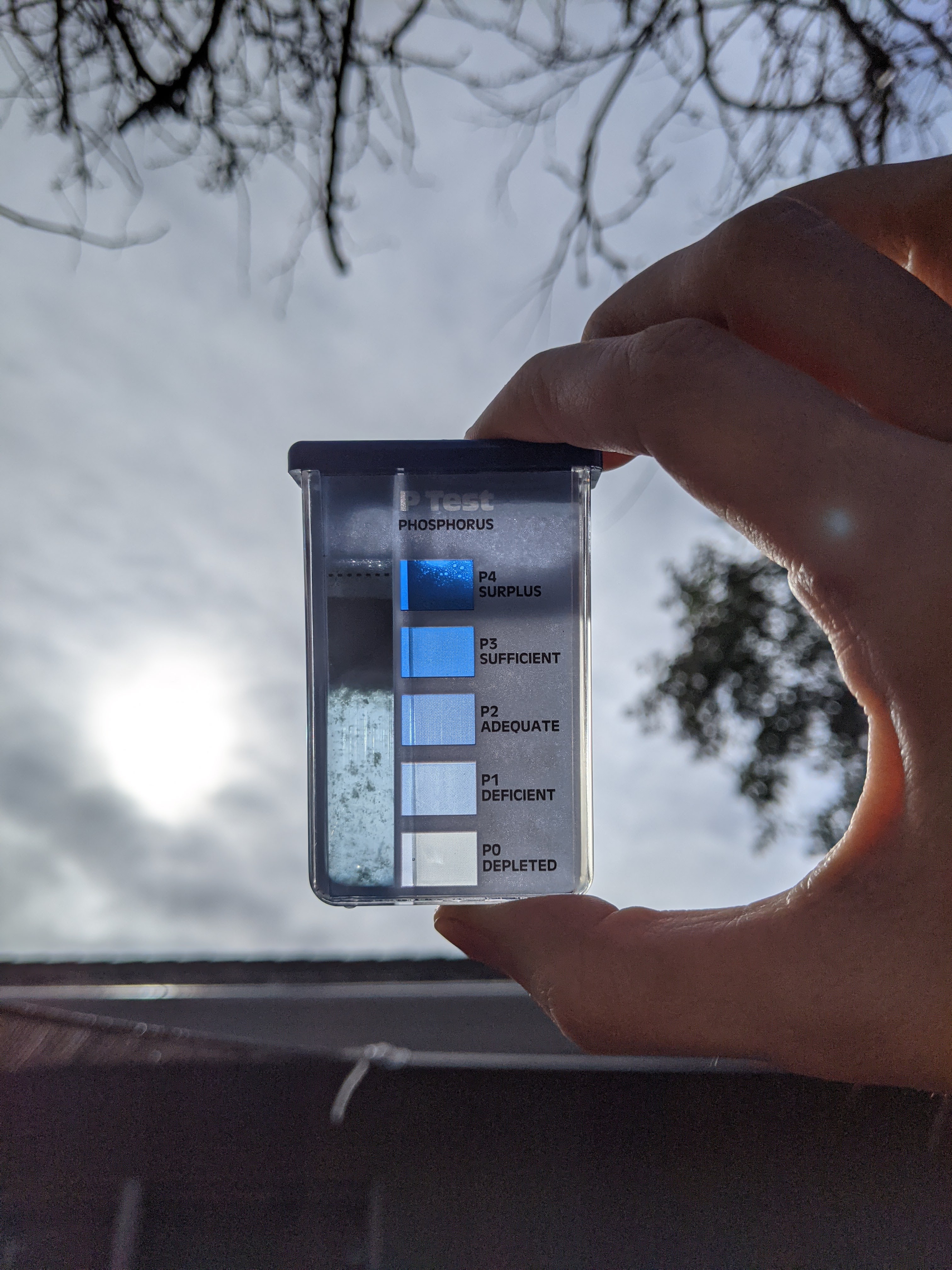
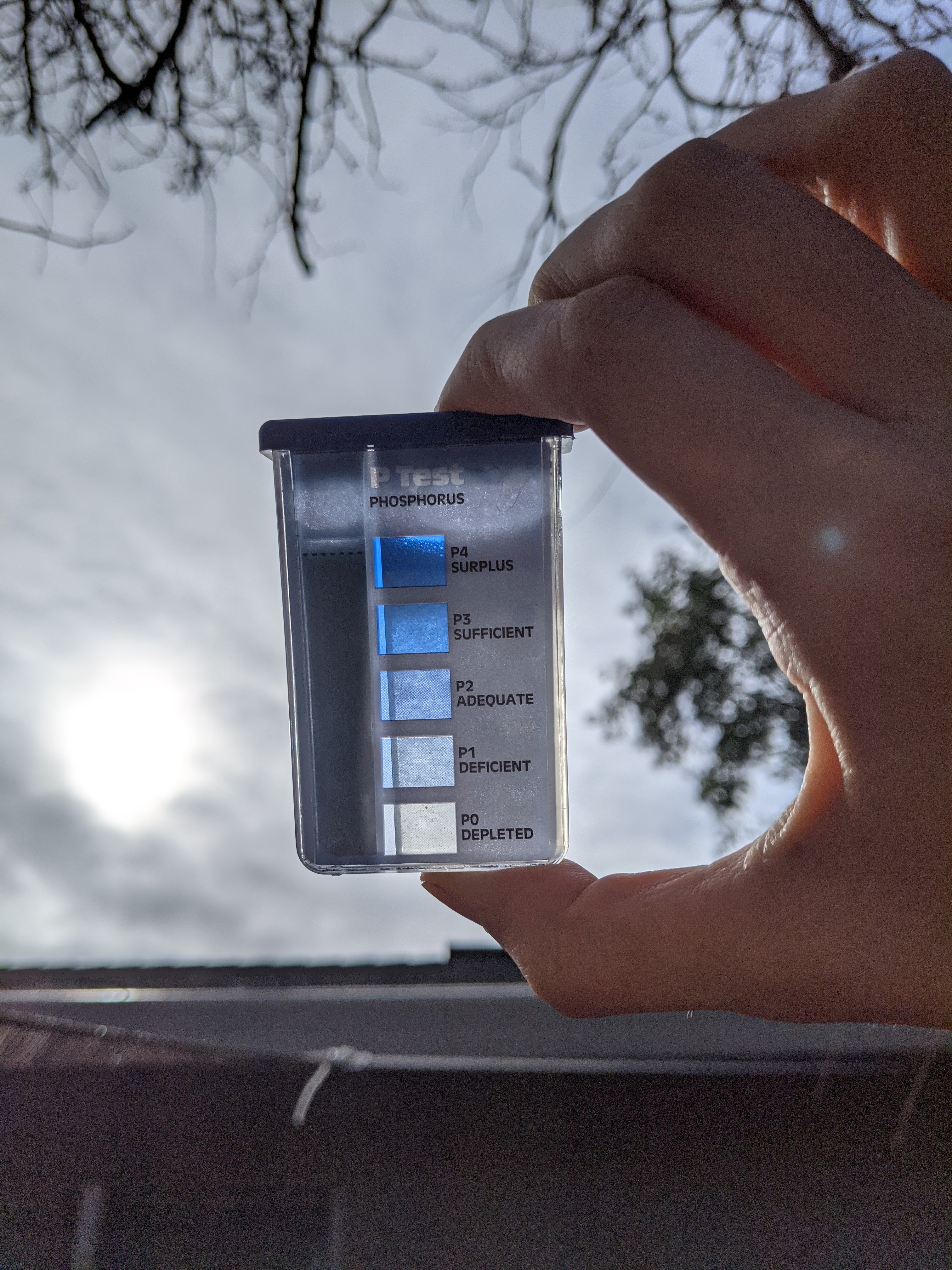
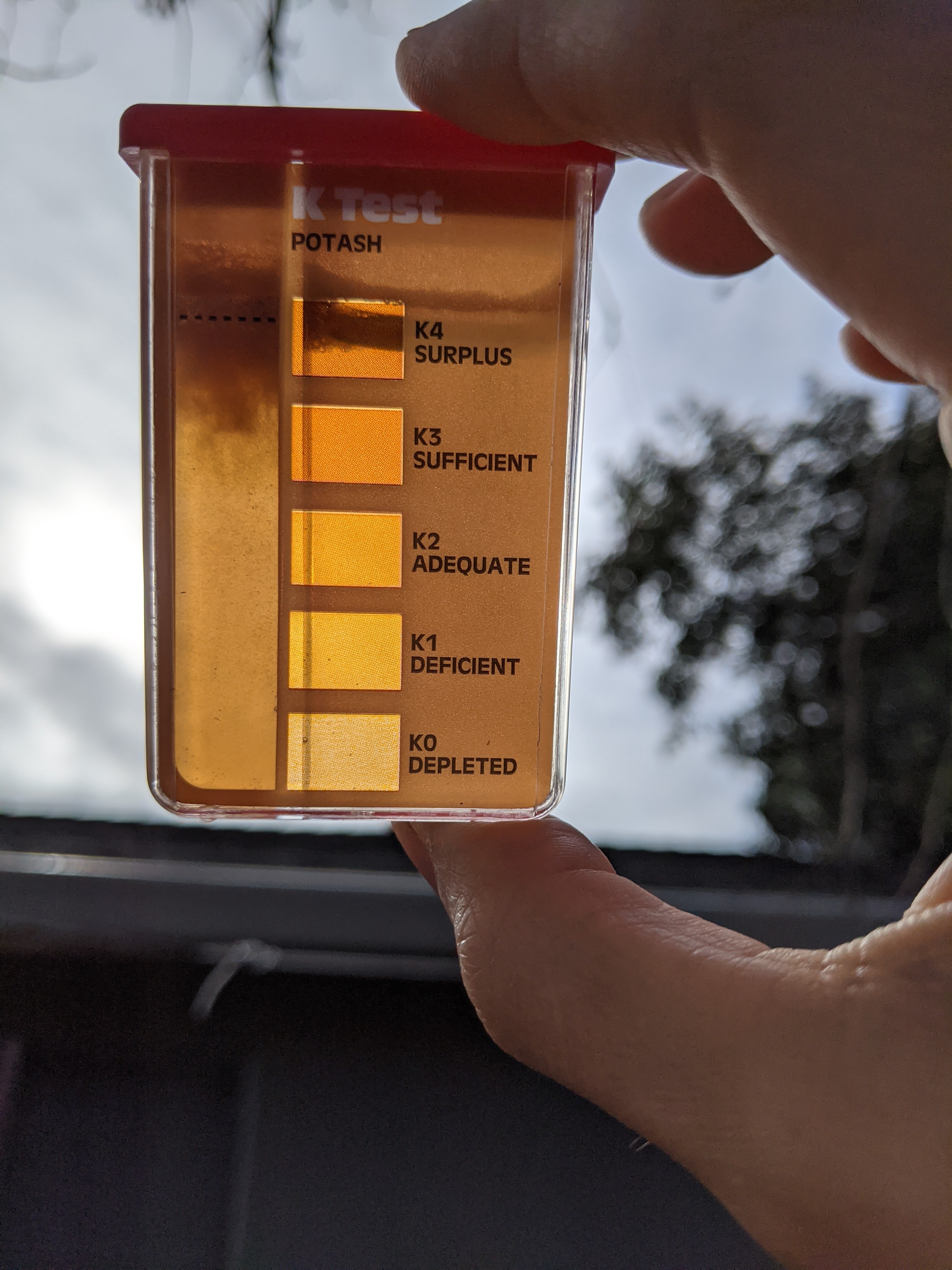
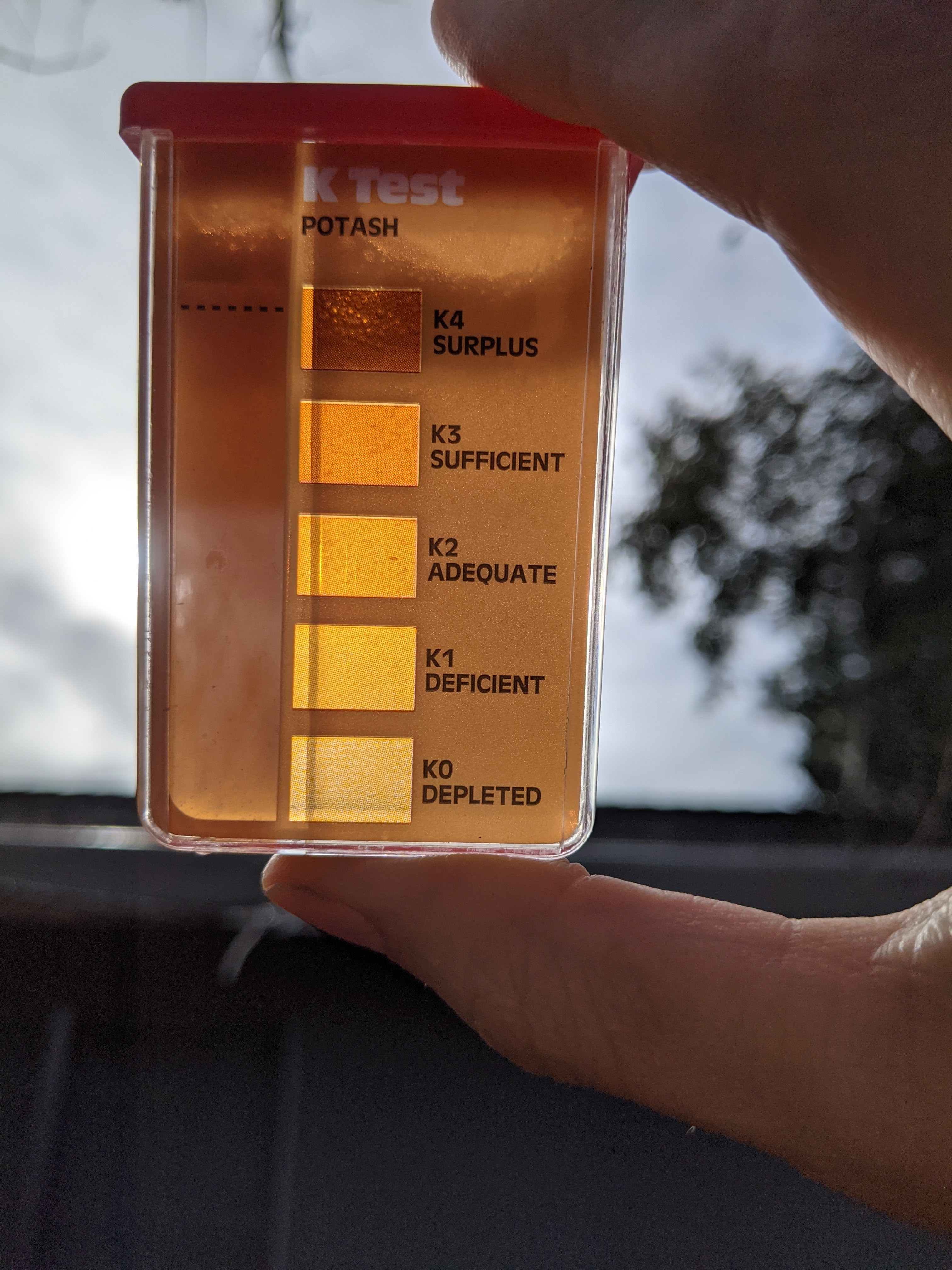
Well that was unexpected. I’d say the Rapitest worked reasonably to test the pH and nitrogen (N) content of wheat meal. The phosphorus (P) and potash or potassium (K) tests look completely different depending on whether the container has been shaken recently, or has time to settle. the Nitrogen is deficient and the phosphorus and potash are either deficient or sufficient. But even if they’re sufficient, this test kit is for soil, not for soil additives. To use these seeds as a fertilizer, the nutrient level should be through the roof because it’ll be mixed in small amounts into the soil.
Overall, I’d say that ground wheat seeds probably don’t add much to the soil in terms of macronutrients. They may help a bit to acidify the soil.
I think this goes a long way to explaining why people don’t typically use seeds for fertilizer. There’s just not that much that you get out if. Especially if your priority is nitrogen. You put a lot more in to raise the seeds than you get out of using them as plant food.
My soil is a bit on the neutral to alkaline side, so I’m going to go ahead and use this seed meal up in the garden. I don’t think it can hurt anything (famous last words, I know.) Plus, I mixed some of this in for a side by side test on my newly seeded lettuce. I’ll follow up and let you know if it made any noticeable difference.
For updates or to let me know what you think, check out Twitter @decentmadam.
 Outdoor Hedonist
One Comment Add yours