Hi! I actually bought the products I talk about in this post. If you want to try them, please use the link on this page to check them out. I’ll make a little money if you do. That would be awesome! You could even drop me a line via Twitter @decentmadam to let me know it was you! And then we can talk about whether you love them!
Grow bags are little loose-weave fabric baggies for starting plant seeds in. Folks like them because you can pack a lot of them onto a seed tray, and plant roots will grow right through the fabric , so you don’t have to worry about damaging plants by transplanting them.
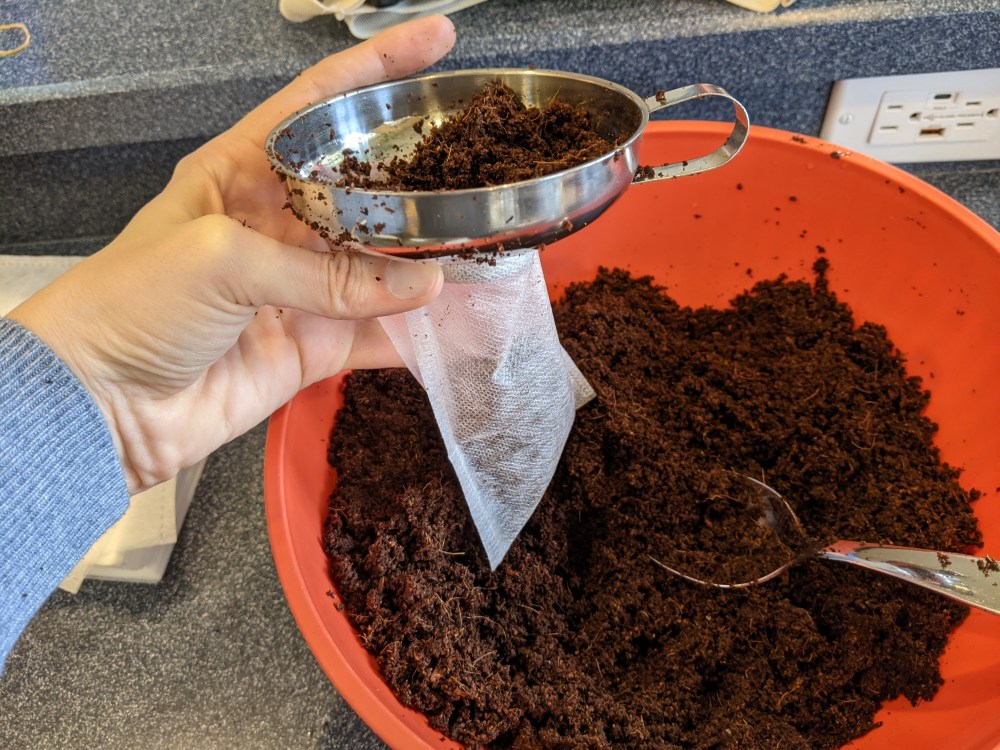
I’m middling conscious about my use of plastics, and have some awareness about the damage that micro plastics – plastic that is either made tiny or eroded into tiny pieces – can cause in the environment. So when I started looking into grow bags and noticed that they seem to be made of something a lot like a surgical mask (blown plastic fiber), I got curious about whether these are made of plastic fabric and whether they’re actually compostable.
The answer is yes, and yes* with a big asterisk.
There are products marketed as ‘compostable’ grow bags, so comments seemed like a great place to find out how these work for gardeners. The results are mixed, some gardeners say they break down, others say they break into pieces, and still others say they don’t break down at all.
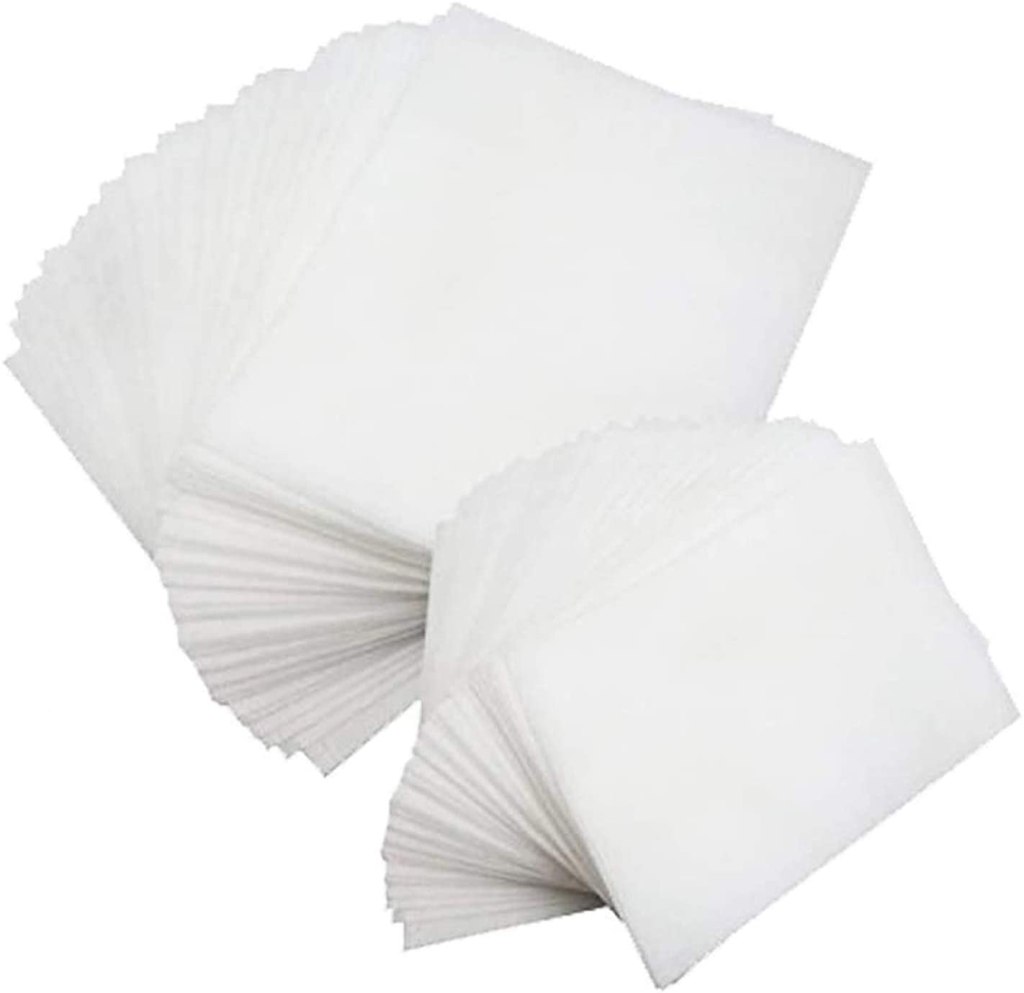
Safe for city compost, roots grow through the bag, so you can plant your starts in the bag directly into your garden.
Why the difference?
Compostable grow bags like other commercially available compostable plastic products (cups, spoons, forks and the like), are made from a plastic that is itself made from corn. I actually interacted with this plastic a lot in the 3D printing industry. It’s called polylactic acid, or PLA, and we used it as a manufacturing material in our 3D printers.
So yes, the fabric is definitely a plastic, but is it compostable? Here’s where that big asterisk comes in. PLA has the ability to degrade into lactic acid, but it needs specific conditions to do so; it has to be in a moist environment and the environment has to be over 140 degrees Fahrenheit. Industrial composters work in these conditions, so yes, PLA is compostable by industrial composters.
A lot of back yard gardeners compost too, but our compost piles may not be in these moist and hot conditions for long enough to fully break down the PLA. But, if you do maintain your compost pile hot, you can process these at home. And if not, they can definitely be tossed into your municipal green waste, if you have one.
In my case, I totally believed myself to be a hot composter based on my experience with the murder compost over the summer, key word here being “summer”. It was a huge pile, 6-8 feet in diameter and 3-4 feet deep. I turned it with a pitch fork at least every other day. And the temperature out was above 89 degrees and up to 110 degrees on some days. Now I’ve got a compost tumbler with maybe six or seven square feet murder compost and kitchen scraps, and it’s not enough volume to insulate it from winter weather so the compost can heat up. Instead it’s behaving like a cold compost pile with beetles and millipedes going to work in there. So in the summer, maybe I could have composted PLA. In the winter, I definitely can’t.
For me, it’s worth it to chose a product that I can hopefully prevent from becoming microplastics. I’ll be using these for my big veggie starts and then tossing them in the municipal green waste at the end of the season.
 Outdoor Hedonist
2 Comments Add yours