I’ve literally studied and taken tests on NPK in the past five months, but how NPK works doesn’t like to stick in my head. So we’re doing this one together. Here’s what I know so far:
NPK stands for the chemical symbols for nitrogen (N), phosphorus (P), and potassium (K), which is also called potash. I know that these three elements are essential nutrients for plants, without them, they can’t grow, with limited amounts of them, they grow stunted, with too much, things start to go wonky. NPK is written on fertilizer labels three numbers with dashes between, like 12-0-0 for blood meal, which means it has nitrogen but no phosphorus or potassium. Or 2.5-0.5-2.5 for alfalfa meal, so it’s much lower in nitrogen than blood meal, but has some phosphorus and potassium.
But do these numbers represent the amount of N P or K by weight? By volume? Are these numbers relative to each other, or are they relative to some standard? How do I know how much fertilizer to add to my soil? How do I know what kind of fertilizer to add to my soil? Do I need to add it to my soil? We’re about to find out!
What do the NPK numbers mean?
Okay, I’m literally not going to quote the internet to explain the answer to what these numbers represent. It’s too not-lazy-enough for garden use because it has to do with, like, how many pounds of fertilizer you’d have to have to get a pound of pure nitrogen, and some word problems and whatnot. I’m going to call that all “need to know for agricultural purposes” maybe, but for Outdoor Hedonist purposes, the answer ima go with is “by weight.” Basically, a fertilizer with higher numbers has more of that nutrient by weight than another lower number fertilizer does. That is to say, you’d have to use more of a fertilizer with lower numbers to get the same amount of nutrients as if you used a fertilizer with higher numbers.
Phew! That’s done! Okay, not quite…
Are these numbers relative to each other?
Yep, since these numbers are based on the amount of nitrogen, phosphorus, or potassium in the fertilizer by weight, they are relative to each other, or also known as a ratio. So a 2-1-2 fertilizer would have twice as much nitrogen as phosphorous. To answer the question whether these numbers are relative to some standard, well, that’s true too, but I’m going to file that under ‘need to know for agriculture.’
All we really need to worry about is: when I buy a fertilizer with half as much nitrogen in the NPK ratio as another product because it costs half as much, I’m not actually getting a better deal (assuming they both weigh the same). In terms of what it’s going to do for my plants for my buck, it’ll do the exact same thing. Here’s value for money on N in nine different fertilizers in today’s dollars.
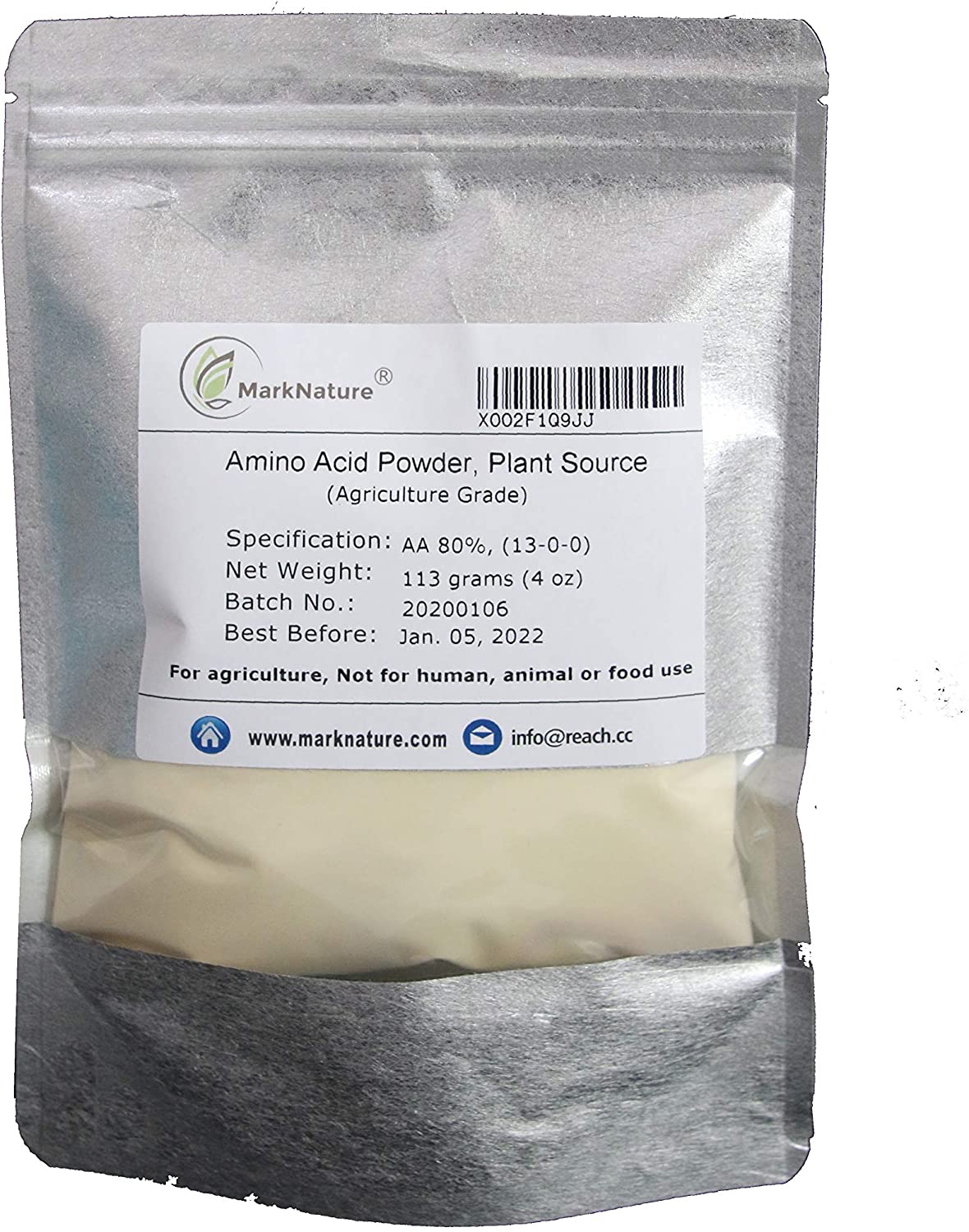

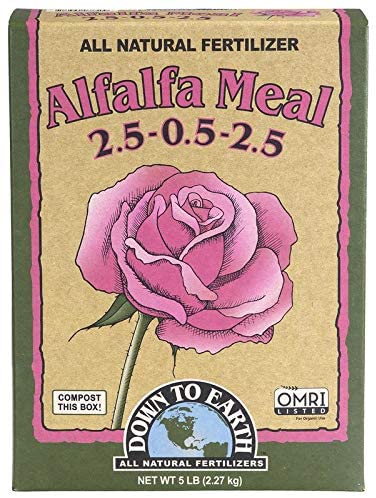
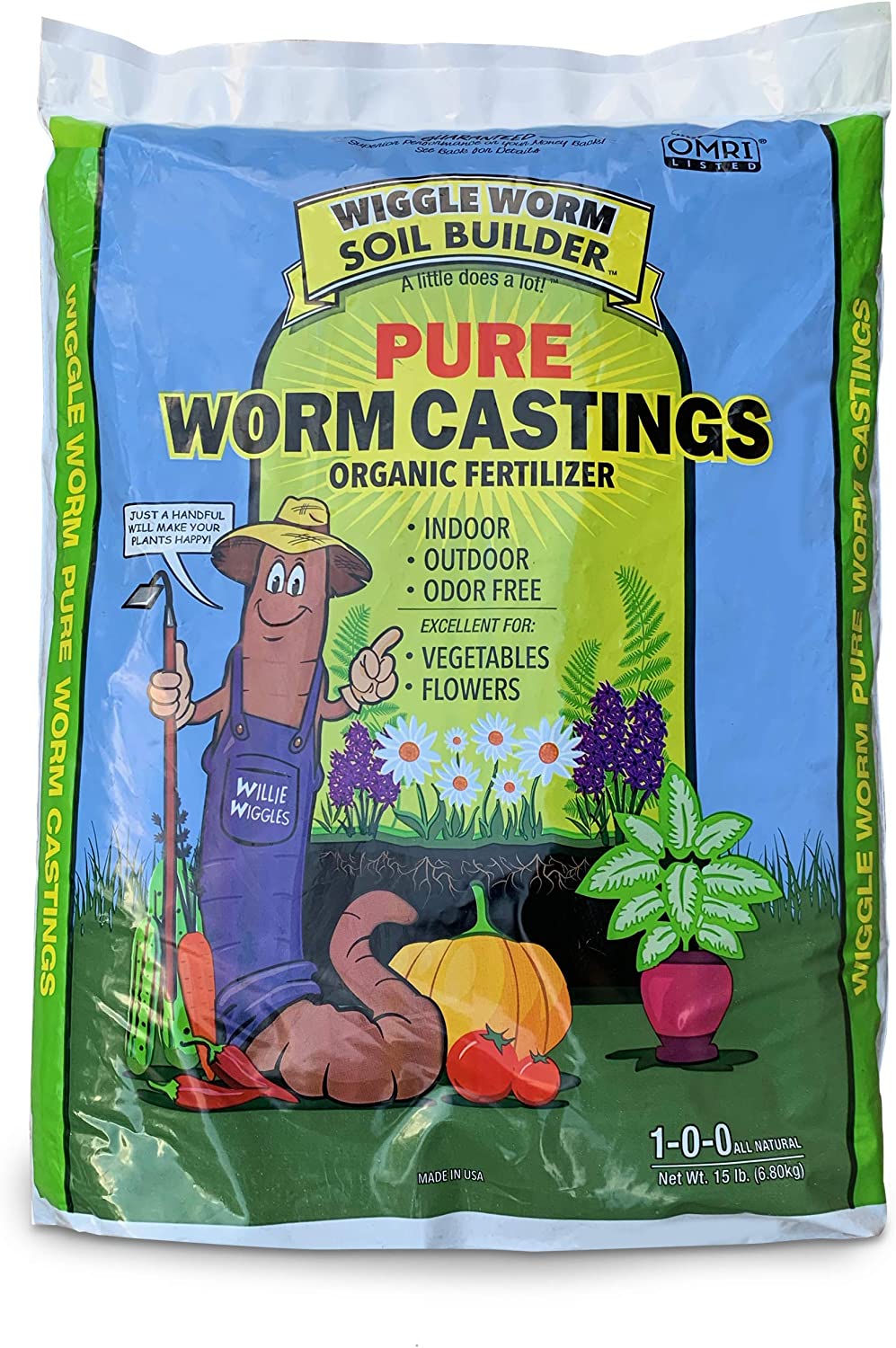
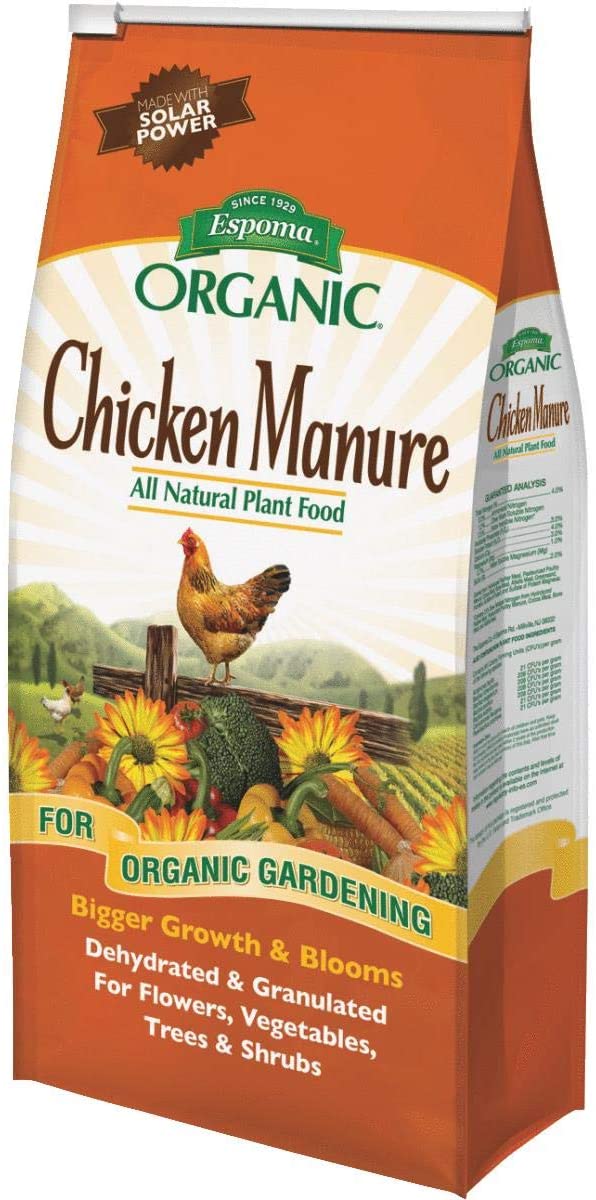
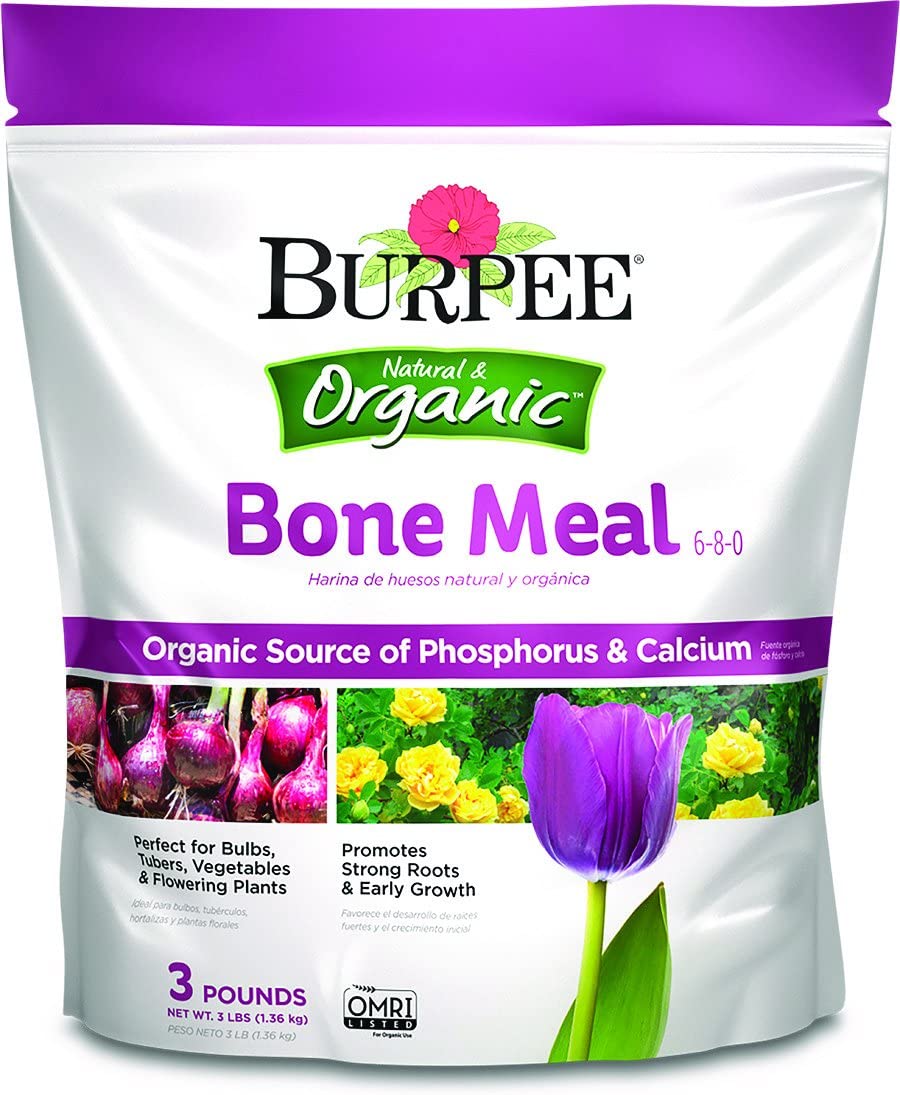

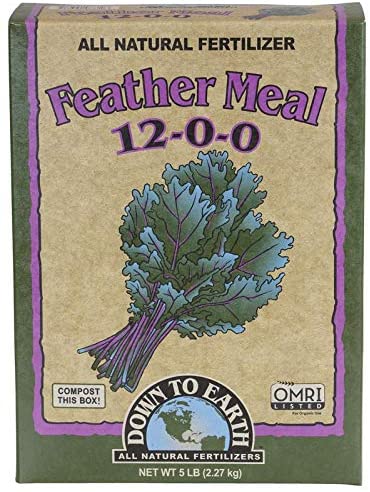

| Price | Weight (lbs) | N | P | K | Dollars/N | |
| urea | 14.5 | 5 | 46 | 0 | 0 | $0.06 |
| feather meal | 16.15 | 5 | 12 | 0 | 0 | $0.27 |
| blood meal | 16.99 | 3 | 12 | 0 | 0 | $0.47 |
| bone meal | 12.99 | 3 | 6 | 8 | 4 | $0.72 |
| chicken manure | 14.89 | 3.75 | 3 | 2 | 3 | $1.32 |
| worm castings | 21.85 | 15 | 1 | 0 | 0 | $1.46 |
| alfalfa meal | 18.24 | 5 | 2.5 | 0.5 | 2.5 | $1.46 |
| cow manure | 54 | 35 | 0.5 | 0.5 | 0.5 | $3.09 |
| amino Acid | 12.8 | 0.03125 | 13 | 0 | 0 | $31.51 |
You could absolutely buy the most affordable nitrogen on this list, which is urea by a long shot. But I’ll just drop a quick note to mention that not all fertilizers are made equal. You will totally get different results per N by using fertilizers from different sources. We’ll come back to all that in a just a bit though.
How do I know how much fertilizer to add to my soil?
There are a few ways to figure out what nutrient you need to add to your soil. You could use a test kit, either a home DIY kit like the Rapitest that I use for everything, or you could send your soil sample to a lab. Your test results will either give you advice or point you toward advice about what do add to your soil depending on what your goals are. A lawn is different from a flower border, is different from a vegetable garden. Why?
Gardeners can optimize plant development based on what nutrients are available to the plant. You can encourage green growth, flowering, or fruiting, based on what’s available to your plant, which brings me to the next method:
Fertilizer formulations are marketed based on plant objectives, so you can absolutely just buy a fertilizer that’s made for veggie gardens, lawns, orchids, etc. There’s always a risk of overfeeding your plants in any particular nutrient, which can interfere with the plant’s ability to absorb other nutrients, so this method goes along with method number 3: Observation.
If you know what your plant looks like and what you want it to look like, you can google your plant symptom and add nutrients based on the recommendations you see. For example, if your plants are yellowing, you might try nitrogen. There are a lot of identifiable plant defects that are caused by nutrient deficiency, like: bright green shoots, but yellow or dried up older leaves, brown edges, black spots, purplish leaves, mottling, the list goes on. (I can geek out for days on what processes cause those symptoms.)
I like a combination of these methods. I can test my soil before anything is growing in it and again throughout the season, but also feed my plants a complete fertilizer (meaning it has N, P, and K) tailored for my objectives, while observing the plants for nutrient deficiencies.
How do I know what kind of fertilizer to add to my soil?
We saw that urea is the most affordable source of nitrogen for the garden, but it isn’t a nitrogen source that gets talked about much in vegetable gardening. Why? I have a couple guesses.
Urea is marketed as a “fast acting” nitrogen for “immediate response” sounds great, right? Could be. What this means is that it’s readably available so plants can pick it up quickly, but it’s also not bound to anything, so it’ll dissolve out of suspension in your soil or runoff very quickly. Basically, if you chose urea, you’re assuming that your plants need and can use this nitrogen source exactly at the time you apply it, or you’re willing to apply it very regularly, which could cause problems with uptake of other nutrients. You’re also willing to lose a lot of nitrogen to the environment through dilution and leaching.
Gardeners tend to prefer more complex sources of nutrients that break down slowly and have “soil building” benefits for the garden. Manure and compost are great for this because they do add nutrients, but also organic matter, helping soil drain better, retain moisture, and soften up so plants can spread their roots out easily. Worm castings are also popular because they can contain beneficial soil microbes and worm eggs to develop and turn your garden over. I’ll just add a quick caveat that earth worms are not native to every environment and can be destructive when introduced in some landscapes.
I mostly hear about products like blood meal and bone meal from folks who raise cannabis. I haven’t had a chance to ask them exactly why, but I’m guessing it helps that they use greenhouses where pet dogs won’t be driven into blissful madness by the smell.
In my case, I like the classics: compost and poop (or manure). They make the soil lovely, are hard to overuse, and are great for plants. I’m also about to try out a liquid fish fertilizer for my plant starts.
Do I need to add it to my soil?
Not necessarily! It turns out that plants can efficiently absorb several nutrients through tiny pores in their leaves! There’s a lot to learn about spraying nutrients onto leaves, or foliar spray, and nutri-techcom.au does a great job going into the details. TLDR: it works, but don’t use too much or you can burn your plants, and this is a great way to use cheap urea.
Okay, so this has been super helpful to me. Thanks for hanging out. Chat me up on Twitter @decentmadam if you want to catch up on all things NPK. Plus have a look around for mini updates.
 Outdoor Hedonist